
Choosing the right dentist is essential for your family’s long-term health and well-being. You are looking for more than convenience. You need a reliable partner for prevention and treatment. An excellent family dentist should provide a relaxing atmosphere, treat both children and adults, and clearly explain their treatment philosophy and pricing. Researching their experience, reading patient reviews, and understanding their approach will help you choose a dentist who makes your family comfortable, building the foundation for lifelong healthy smiles. The information below outlines the criteria to help you find the right dentist for your family.
Prioritize Logistics (Location and Hours)
Choosing a dental practice is often less about finding the ‘best’ dentist and more about finding the most convenient one. For busy professionals and families, searches like “dentist near me open Saturdays” or “early morning dentist” demonstrate the importance of logistics. Choosing a practice whose schedule aligns with yours reduces disruption to your routine.
When selecting a provider, consider the following:
- The school run — Do not necessarily pick the practice that is closest to your house. Instead, find a place close to your workplace or a school where children are present. An appointment that takes less time to get to work or pick up my school kid would be much less inconvenient to make than driving to the other end of town on a day off with no clear schedule. It is also easier to maintain regular appointments.
- Family block appointments — Ask directly whether the office has block appointments. This will enable you to book all members of your household and schedule them back-to-back in a specific time slot, allowing them to spend their time efficiently in one trip.
- Emergency protocol — Critical family logistics involve the unexpected. Ensure the office has an after-hours emergency line before committing to it. The most important thing is that you know you can contact a doctor, either seeking advice or immediate medical attention, at 10 PM on a Friday without having to visit an emergency room (ER). The ER visit can be costly and unrelated to dental treatment. The weekend hours are beneficial, although constant access after hours to deal with crises is essential for peace of mind.
Find One-Stop Shop (Comprehensive Care)
Your search should consider how many services the practice can provide under one roof. This significantly improves long-term efficiency and can substantially reduce costs. Dental care that decreases referrals will save your family a lot of time and money, as you no longer need to visit different offices to receive various procedures. Thus, you need to ask whether the dentist will personally perform ordinary treatments, such as extractions or root canals, or will simply refer any complicated treatments to external service providers. The selection of a provider that manages the majority of general and minor surgical requirements ensures high and smooth convenience.
Building on this idea of internal capability, look specifically for practices that integrate specialized services beyond general repair. The value of in-house orthodontics cannot be overstated. In the case of a practice that delivers services such as braces or clear aligners, like Invisalign, patients can receive the complete treatment plan, including routine services and their alignment, under a single roof. This has made it easy to schedule appointments and ensures that all dental records and coordination are well-coordinated under the same roof, without friction among various providers.
It is also important to understand how the practice treats its youngest patients. Although a general dentist can easily handle the routine dental cleaning and examination of most children, some situations would require a child to be transferred to a pediatric dentist. Children with special needs, severe dental anxiety, or complex bite issues may benefit from a pediatric dental specialist. The fact that the practice can comfortably handle a range of dental requirements or provide appropriate advice regarding specialty referrals when needed is invaluable as your family grows.
Evaluate the Atmosphere and Anxiety Management
The level of trust in a dental provider depends on the comfort of the patient, as well as the office atmosphere and the provider's attitude towards dental anxiety, which is a crucial criterion. A dental phobia or even a slight nervousness can make the family members unwilling to receive necessary preventative care, and it is because of the soft, accommodating nature of the practice that is so important. When one of the family members has difficulties with fear, find activities that actively facilitate a calm and supportive atmosphere, and provide specific solutions to alleviate anxiety.
The first assessment you conduct is the sniff test. A dental practice with a strong smell of eugenol, reminiscent of the old-fashioned medicine shop scent associated with dentists, will indeed utilize older materials and may trigger panic in any phobic patient. Newer customer-oriented practices invest in excellent ventilation and materials that make the office smell clean and inviting. In the next step, evaluate the sedation tiers of practice. They must provide alternatives, such as Nitrous Oxide (laughing gas), when you are mildly nervous, or may offer oral sedation in cases of deeper phobias. These tools are available, which is an indication of investing in pain and anxiety management.
Furthermore, look for distraction tools that make treatment more comfortable, especially for children. Further signals of a positive patient experience include amenities such as ceiling-mounted televisions, noise-cancellation headphones, or even a sensory-friendly waiting area. These tools make what would otherwise be a stressful visit a neutral/even enjoyable experience, which ultimately guarantees increased long-term use of dental services.
Inspect Their Technology and Their Cleanliness
When vetting a new dental practice, the bedside manner is not the only factor. It is essential to conduct an audit of the dentist’s office’s technology and their commitment to safety, which is indicative of their dedication to quality care. Obsolete equipment may lead to a decrease in diagnostic accuracy and increase the risk of spreading infections to patients. On the other hand, the investment in sophisticated tools will also represent a desire to reduce risk and increase the duration of treatment results.
Start by ensuring that the practice utilizes digital X-rays (Radiography). This is a necessary safety requirement. Digital systems can reduce radiation exposure by as much as 90% compared to traditional methods. They can view the cavity, hairline crack, or decay with their own eyes, and this creates an automatic level of trust, making the treatment decision a cooperative and straightforward process.
Last but not least, it is essential to evaluate the office's core commitment to the health of the population, specifically in terms of sterilization and cleanliness. To avoid any inconvenience, the front desk can be asked to provide a brief tour of the sterilization area as a practical suggestion. Still, although you are not supposed to comprehend the technical process, you can note whether the territory seems contemporary, well-structured, and committed. The sight of clutter, visible dust, and equipment that appears decades old in this vital area is an immediate warning sign of a possible insufficiency in terms of financing up-to-date safety measures, and you should consider other alternatives.
Check Credentials and Continuing Education
You should actively verify the credentials and dedication of our new provider before entrusting them with the responsibility of your family's oral health. The license of a dentist and his/her continuing professional development is the basis of his/her professional authority and competency. Failing to verify these details may result in receiving outdated or lower-quality care.
Begin your check-up with a check by a state board. All states have a public portal where you can easily find a dentist's license number. Use this tool to keep their license active and, most importantly, to verify that no previous or future disciplinary measures have been taken. This one act is restorative and reassuring in the legal and ethical status of their position.
Additionally, seek a dentist with a student mindset and a priority on Continuing Education (CE). Contemporary dentistry is a highly dynamic field, as materials, technology, and procedures continue to evolve. An active dentist will mention active participation in CE on his/her business or on his/her website, showing that he/she spends time and money to keep up. This is a vital sign that you will receive modern, quality care, not an outdated treatment plan. Lastly, verify membership in respected organizations like the American Dental Association (ADA), the Academy of General Dentistry (AGD), or the American Academy of Cosmetic Dentistry (AACD). These associations ensure that the dentist is self-governing, which implies that they adhere to rigorous ethical standards and best practices recommended by the industry.
Test their Philosophy of Treatment (Conservative vs. Aggressive)
The essence of the clinical ethics of a dentist determines what you get treated, and therefore, you must know their philosophy upon which it is rooted. Is it conservative or aggressive? The definition of conservative dentistry refers to the focus on maintaining the current tooth structure, often adopting a minimally invasive approach or prescribing a watch-and-wait policy for minor problems. On the contrary, an aggressive philosophy will tend to support the use of drilling and filling every possible lesion or early stain at once, which will occasionally result in unwarranted work.
To gauge this philosophy directly, ask the critical question: Do you treat incipient lesions (small holes) on the spot, or do you monitor and treat them with fluoride? The solution shows their attitude towards treatment. To avoid drilling, a conservative approach would adopt methods such as remineralization and monitoring.
The significance behind this distinction is that a conservative provider will save you significantly in the long term and retain more of your natural tooth structure throughout your life. Seek out such terms as Minimally Invasive Dentistry (MID) or a holistic approach in their literature. These words are a testament to a commitment to achieving the highest possible longevity of teeth, the gold standard of oral health, and informed decision-making regarding your family's oral care over the long term.
Insurance and Financial Transparency
The clarity of finances is not a significant factor in choosing a dental provider. You should take the equation of Cost and Value with a grain of salt, realizing that most of the general assumptions concerning insurance are fallacious. First, dispel the in-network myth. Although being in-network often results in a relatively reduced copay, going out-of-network may only result in a slight or, in a few cases, a slight variation in your out-of-pocket costs. The difference in quality, however, can be enormous in cases involving technology, the time spent with a patient, and specialized care. Do not let a slight increase in a copay dictate where you receive high-quality, long-term care.
This is a practical tip that one can use to control finances: always go through with a substantial procedure without a written treatment plan that indicates the out-of-pocket costs. All costs, insurance coverage, and your ultimate responsibility should be clearly outlined in this formal written estimate before you can book an appointment. This is done to remove the hidden costs and unexpected bills. Furthermore, if you do not have the usual dental insurance, consider dental membership plans. Numerous traditions in the present day offer subscriptions, such as annual cleanings and examinations, as well as lower charges on other care. The plans are a cost-efficient, structured means of preventative care beyond the conventional insurance models.
Reviews and The First Call
You are now down to a smaller selection. Use the last two filters:
- Social proof
- First impression
Glossy marketing should not be trusted; rather, it should be based on the actual patient experience. In the Review Analysis, disregard the mass-market 5-star ratings, which just state that it is excellent. Instead, look for extensive and in-depth reviews that tell a problem-solving story. Such stories, whether of a harrowing extraction, a physician-nurse encounter, or the solution of a long-standing problem, are most informative about their clinical ability and approach to patients.
The second important screening is the phone test. The initial contact with the front desk is how the doctor will be treated as a whole in terms of his/her approach to management. Are they in a hurry or impatient, and are they rude? A properly operating practice has a calm, well-mannered, and efficient reception, which means that the doctor appreciates the order and experience of patients even before they make a phone call.
Moreover, review the practice's response rate to negative online reviews. A professionalized, non-defensive response to criticism is a sign of responsibility and a sincere desire to address patients' concerns, which is a key aspect of assessing their professionalism.
Find a Family Dentist Near Me
Choosing the right dentist is more than a simple appointment. It is an investment in your family's lifelong health and radiant smiles. We have discussed the most important reasons, including caring, personal attention to people, and convenient locations with complete services. Although when you find a dental practice that feels like a family support group, you will have no problem with regular check-ups, it will turn out to be a stress-free and enjoyable experience.
Are you ready to give your family exceptional dental care?
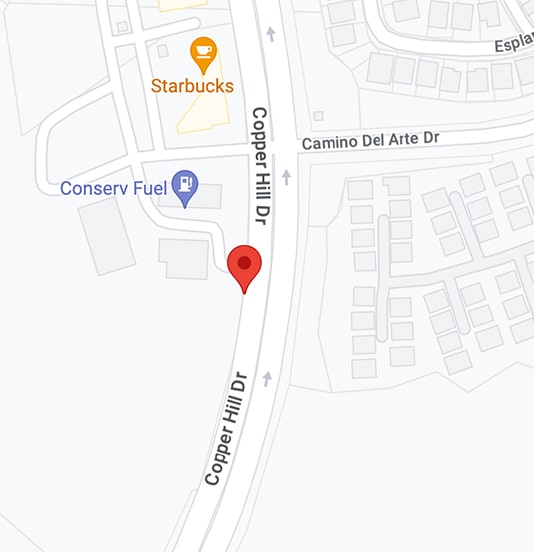
Do not wait to make your family have a healthy smile. Call Valencia Advanced Dentistry at Copperhill Smiles now at 661-775-7717 to book your first family appointment in Santa Clarita.