
Dental emergencies are oral health problems that require immediate dental attention. They present symptoms that require immediate attention to prevent further harm to the patient. Examples of symptoms that necessitate emergency dental care include bleeding, severe pain, and severe discomfort. General dentists are always prepared for emergencies to save a tooth, stop bleeding, control bleeding, and prevent an infection from spreading further. These are issues experienced by the entire family, including children, teenagers, and adults. It helps to know some common emergency dental issues so that you can visit your dentist’s office immediately and receive timely care and treatment.
Common Dental Emergencies Today
A dental emergency is any oral or dental issue that causes severe pain, uncontrolled bleeding, or severe discomfort. Emergency dental care stops the bleeding, prevents further damage, or alleviates your pain and discomfort before a proper diagnosis is done to determine the right treatment for a lasting solution. Some of the common emergency dental issues that could necessitate an urgent need for dental care include the following:
Knocked Out Teeth
Permanent teeth are generally strong and stable. However, it is not uncommon for a natural tooth to be knocked out in case of a severe blow or trauma to the face or mouth. This is possible with people who play contact sports. A high-impact collision in a sport like basketball, rugby, hockey, or football can knock out one or more of your natural teeth, especially if you are not using a mouthguard. Physical altercations, like assaults and fights that involve blows and punches to the face or mouth, can also cause dental trauma.
High-impact vehicular accidents can also result in severe oral injuries. Your risk of losing one or more teeth in an accident or injury increases if your tooth structure is already weak. This is possible if you have brittle or decayed teeth or if you have suffered previous damage to your teeth.
A dentist can save a knocked-out tooth within 30 to 60 minutes of the accident. That is why you are encouraged to visit your dentist immediately if this happens.
It is advisable to handle the tooth with care if it is completely knocked out. A dentist recommends picking the tooth by its crown rather than its roots to avoid damaging the root cells. If the tooth is not completely knocked out, gently push it back into its socket as you prepare to go to your dentist’s office. If the tooth is completely knocked out, keep it moist by putting it back into the mouth or storing it in plain water. You can call your dentist immediately for instructions on how best to handle the tooth before you arrive at their office.
Severe Toothache
Most dental issues present with some type of pain or discomfort. While it is possible to ignore the less-severe pain, severe pain indicates a serious problem that requires urgent treatment. You will experience a severe toothache for various reasons, including severe dental decay, dental infection, fractured tooth, gum disease, impacted wisdom tooth, and severe pulpitis or nerve inflammation. All these are emergency dental issues that require immediate treatment to manage the pain and prevent the issue from worsening.
Sometimes a severe toothache is accompanied by swelling of the gums or the face, or a knot on the gum line, indicating a dental abscess. This is usually a sign of an oral infection spreading rapidly. It may affect your overall health if left untreated.
When you visit an emergency dentist with a severe toothache, they will give you pain medication to manage the pain as they examine you for the underlying cause of the pain. For proper diagnosis, the dentist will conduct a physical examination of your teeth and gums. They may use diagnostic tools like X-rays to find out what is happening beneath the gumline, within your tooth’s roots, or in your jawbone.
If you have a severe oral infection, the dentist will recommend immediate root canal therapy to remove the infected pulp. This will alleviate your pain and prevent the infection from spreading further. It could also save your tooth from further attack by harmful bacteria. If the tooth is severely damaged, your dentist may recommend immediate extraction to protect your adjacent teeth and alleviate your pain.
Broken, Fractured, or Cracked Teeth
A broken, fractured, or cracked tooth can cause severe pain or sensitivity because of exposed nerves. It may also encourage the growth of harmful bacteria, especially if the foods and drinks you consume become trapped in the cracks. If the damage is severe, you may eventually need to have your tooth extracted.
Although your natural teeth are generally very strong, intense pressure or severe trauma can weaken their structure, leading to cracks, fractures, or breakage. This may happen if you enjoy chewing or biting hard objects, such as hard candies, nuts, or ice. Habits like these weaken your enamel and eventually damage it. Physical trauma, like a direct blow to your mouth from an accident or contact sports, can also cause your teeth to fracture or break. Bruxism, or teeth grinding and clenching, is also a very common habit that damages your teeth.
When a tooth breaks, fractures, or cracks, you are advised to see your dentist within 24 hours. If you are in pain or are bleeding, visit your dentist immediately after the accident to stop the bleeding and manage the pain. You will also likely save the tooth if you seek immediate treatment.
If there are tooth fragments, locate and handle them with care, as they can be reattached to the tooth once you get to your dentist’s office. You could manage the pain and swelling using pain medication or a cold compress before getting to the dentist’s office. Also, avoid further damage to your teeth by not chewing on anything until you see a dentist. Your dentist will assess the damage to your tooth to recommend the best possible treatment to save it.
Uncontrolled Bleeding
Bleeding in the mouth is uncommon and occurs only when there is a serious problem with your teeth, gums, or other parts of the mouth. Plaque buildup, which causes gingivitis and gum disease, is a common cause of frequent gum bleeding. Sometimes the bleeding becomes uncontrolled if the issue becomes severe, necessitating immediate treatment. Gum disease is a serious condition that can lead to tooth loss and an infection that may spread to the rest of your body. Thus, it requires immediate treatment once noticed to prevent further damage to your gums, teeth, and overall health.
In addition to gum disease, you may experience bleeding in your mouth if you fail to use proper brushing techniques. This can happen when you brush too hard or use a hard-bristle toothbrush. Improper brushing techniques can damage your sensitive gum tissue, leading to bleeding and gum recession.
You could also experience bleeding in the mouth if you are using medications that thin your blood, or some medications to manage epilepsy, blood pressure, or cancer. Some of these medications prevent clotting, increasing your chances of bleeding every time you bruise your gums while brushing your teeth.
However, uncontrolled bleeding in the mouth is a serious matter that should be treated with the urgency it deserves. Visiting your dentist immediately if you are unable to stop the bleeding ensures that the issue is managed on time. The dentist will also determine the cause of the uncontrolled bleeding and recommend immediate treatment to manage it once and for good. Their primary aim would be to stabilize you, stop the bleeding, and prevent further bleeding.
Loose or misaligned Tooth
If your tooth feels loose or has shifted, you need immediate stabilization to save it, prevent further damage, and protect your bite.
A tooth can become loose and misaligned if you have gum disease. This is a condition that causes gum recession, leaving your tooth’s roots exposed and without much support from the gums. If this is the case, your emergency dentist will recommend a treatment that will save your tooth from further damage and manage the disease.
Your tooth can also become loose or misaligned due to dental trauma or physical injury. You can be injured in a fall, a car accident, or a sports injury. These types of injuries tear your periodontal ligaments or break your teeth’s sockets, immediately losing a tooth or causing it to shift.
If you have bruxism, a condition that causes you to habitually clench or grind your teeth, your teeth may eventually become loose or misaligned. The constant pressure you exert on your teeth degrades your teeth’s supportive ligaments, causing them to become loose or shift from their position on the gums.
When you notice that one or more of your teeth are loose or misaligned, be careful not to damage them further by avoiding touching them or chewing or biting on them. A quick visit to your dentist can prevent tooth loss. The dentist will stabilize the tooth and may use a dental splint to provide support. If there is an underlying issue, such as gum disease, your dentist will also develop a treatment plan to manage it.
A Painful Loose Dental Crown or Filling
Dental crowns and fillings are used to restore damaged teeth. Although they provide lasting solutions that restore the tooth’s structure, stability and functionality, they do not always last for a lifetime. A restoration can loosen immediately after placement if it is not properly seated or if it is damaged by teeth grinding or an accident. This may cause you to experience severe pain, tooth sensitivity, or discomfort.
If the cement holding a dental crown or filling in place fails or wears out, the restoration will likely loosen up. Tooth decay on the treated tooth can also cause a dental restoration to loosen. The tooth also becomes painful, as harmful bacteria penetrate its underlying structures. You could also experience pain and dental crown failure if you have bruxism. The constant pressure on your teeth when you habitually grind or clench them may damage even the most stable dental restoration.
You need a quick visit to your dentist to save the restored tooth. Remember that dental restorations are done to prevent further damage to the tooth. If the restoration fails, tooth damage could be inevitable. If an infection or dental decay causes the failure, emergency dental care will prevent the infection from spreading further. If the tooth is uncomfortable or painful, an emergency dentist will manage your pain first, and then determine the right solution for the damaged restoration.
Visible Dental Abscess
If you have a pocket in your gum containing pus, you need immediate treatment for an oral infection. Oral infections are serious and spread very quickly. They happen when harmful bacteria attack your teeth or gums due to poor oral hygiene, periodontal disease, or dental decay. An infection will cause pain and fever, which some people may manage with over-the-counter pain medication. However, it is important to visit your dentist immediately if you notice a pus-filled infection in the mouth.
Immediate treatment for a dental abscess is needed to prevent the infection from spreading to the jaw and surrounding tissues. You can rinse your mouth with salty water a few times before your dentist visit to help manage your pain.
The dentist’s immediate goal would be to treat the infection and determine its cause.
Find an Emergency Dentist Near Me
Have you lost a tooth, or are you experiencing pain or bleeding in your mouth in Santa Clarita?
These are some of the symptoms that necessitate emergency dental treatment. A dentist recommends immediate treatment if you experience an oral or dental issue that causes severe pain, uncontrolled bleeding, severe discomfort, or a problem that threatens the strength or stability of your natural tooth. Emergency dental care alleviates pain, stops bleeding, and saves your natural tooth from further damage or loss.
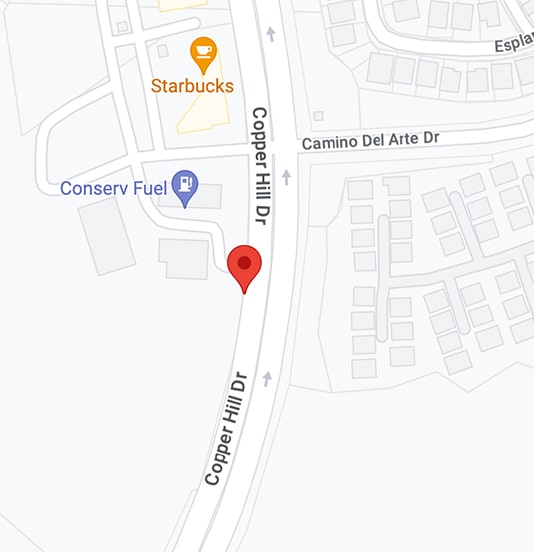
At Valencia Advanced Dentistry at Copperhill Smiles, our general dentists are always available for emergency dental care. We are available around the clock to manage severe symptoms and to diagnose and treat dental emergencies. Call us at 661-775-7717 to learn more about dental emergencies and our services.