A battle rages in your mouth every time you eat. Saliva helps protect teeth by neutralizing acids and supplying minerals that counteract the effects of plaque bacteria, which metabolize sugars and produce acids that can damage enamel. Over time, repeated acid attacks can demineralize tooth enamel and lead to cavities.
Brushing is a good defense, but a strategic defense is key for cavity prevention. When it comes to protecting your smile, it is not just about not eating candy. It involves neutralizing acids, meal scheduling, and reinforcing teeth against wear and tear.
Luckily, tooth decay is very preventable. When you know how your diet causes plaque, you can prevent it from causing damage before you need a dental drill. The following small, conscious lifestyle modifications can help protect enamel and maintain lifelong tooth health.
Use the Right Brushing Technique
Plaque removal is key to cavity prevention, is mechanical, and should be done regularly. Plaque is a layer of bacteria that regularly coats your teeth, and you are your best weapon against tooth decay if you can physically remove it. However, simply going through the motions is not enough. Your technique, timing, and tools directly dictate your oral health outcomes.
A clean smile involves following the 2x2 rule: brush your teeth twice daily for two minutes. Most people do this in haste, leaving behind the necessary debris. Because you want to make your toothbrushing time as productive as you can, there are a few brushing methods that are more effective than others. The modified bass method is one of the best. It targets the most susceptible areas of the mouth and should be used.
- The angle — Hold your toothbrush at a 45-degree angle toward the gumline. This allows the bristles to clean the gumline area where plaque tends to accumulate.
- The motion — Make short, circular strokes gently back and forth.
- Sweep — Rotate or sweep the brush head away from the gum line toward the chewing surface of the tooth to remove dislodged bacteria.
The type of bristles used is more important than the tool's cost. Only soft-bristle toothbrushes should be used for safe mechanical cleaning. Hard-bristle brushes and aggressive brushing techniques may contribute to enamel wear and gum recession over time. After enamel loss, the softer dentin is exposed, and teeth are susceptible to rapid decay.
For those who find it challenging to use a manual toothbrush or struggle with timing, an electric toothbrush is the best option to maximize your routine. Along with increased brush strokes per minute, electric toothbrushes can make plaque removal easier and improve cleaning effectiveness for some users, allowing biofilms to be broken up more efficiently.
One of the most common errors is brushing immediately after drinking or eating an acidic food or drink, like citrus fruits, coffee, or soda. Acids temporarily soften the enamel. Brushing immediately damages the result of the enamel because you physically rub the softened enamel off your teeth. After acidic foods or drinks, rinse your mouth with water and wait about 30 minutes before brushing.
Use Floss and Interdental Cleaners
Brushing your teeth is just half the job. Brushing alone cannot effectively clean all tooth surfaces, especially the areas between teeth where plaque commonly accumulates, making these areas ideal sites for interproximal decay. Spaces between teeth are very common because they are not cleaned.
Flossing is most effective for cleaning areas between teeth that a toothbrush cannot adequately reach. Just snipping a segment of string floss between the teeth and popping it back out is not sufficient. This quick movement does not cover most of the plaque, and it can easily injure your sensitive gums.
Rather, use the "C-shape" hug method. Carefully push the floss between two teeth. Once past the tight spot, curve the string tightly against the side of one tooth, forming a "C" shape. Smoothly move the floss up and down along the tooth surfaces, just below the gum line, to dislodge trapped plaque. Repeat on the other tooth adjacent to the gap, before proceeding on to the next gap.
String floss is the benchmark material for cleaning between teeth, but other interdental cleaning options provide good protection depending on your dental anatomy and lifestyle. They include the following:
- Interdental brushes — If you have larger gaps, receding gums, or deep pockets, they can be very effective. They can slide between the teeth and clean and polish the flat side walls much more thoroughly than a thin string.
- Water flossers — Waterpiks are devices that use a pressurized stream of pulsating water to wash away debris. These are a great option for those with braces, permanent dental bridges, or difficulty with hand dexterity when flossing.
So, it is clear that flossing daily is of enormous significance. The only way to break down the plaque biofilm in these hard-to-reach places every 24 hours is to remove it.
Use Fluoride Treatments
Cavity prevention is not simply about removing plaque. It is also about actively strengthening your teeth at the microscopic level. Your teeth undergo two distinct processes every day:
- Demineralization, which is the process of acids removing minerals from your enamel
- Remineralization, which is the process of putting minerals back in your enamel
Your teeth are like a shell that needs the right chemicals to strengthen them.
The most scientifically proven way to tip the scales in favor of remineralization is to use fluoride for teeth. With fluoride toothpaste, the fluoride ions do not simply rest on the surface of your teeth. Rather, they react with the calcium and phosphate existing in your saliva.
In this reaction, fluoride helps strengthen enamel by promoting remineralization and making teeth more resistant to acid attacks. This newly formed layer is much stronger than your original enamel and will resist further attacks of acids, creating a chemical barrier over your teeth.
You need to adjust your toothbrushing technique to get the most out of fluoridated toothpaste. After brushing, most people rinse with water or a commercial mouthwash. This is a significant mistake. It washes the active therapeutic components away before the enamel can absorb them.
Instead, apply the spit-do-not-rinse rule:
- Thoroughly brush your teeth for two minutes.
- Spit out the excess foam into the sink.
- Avoid rinsing, eating, or drinking for at least 30 minutes after brushing
When you leave that little leftover toothpaste on your teeth, the fluoride level stays high enough that your enamel can absorb minerals and strengthen itself.
Nano-hydroxyapatite toothpaste may support remineralization, but fluoride toothpaste remains the most widely recommended option for cavity prevention, provided it is active at repairing enamel. Your natural tooth enamel is actually made up of an amazing 97% hydroxyapatite.
When converted into a nanocrystalline form, it is sufficiently small to adhere directly to your teeth, fill in tiny surface flaws, and seal any open dentin tubules. It offers an excellent alternative to fluoride, biocompatible remineralization of tooth enamel, and reduced tooth sensitivity.
Eat a Tooth-Friendly Diet
What you eat affects the conditions in your mouth. Although it is well understood that there is a direct connection between sugar and tooth decay, many are unaware that the nature of an acid attack is strongly influenced by the type of food and the frequency of exposure. Dietary changes can reduce the conditions that allow cavity-causing bacteria to thrive. that cause plaque and help to keep your enamel from eroding.
Candy is not the only culprit when it comes to examining foods that cause cavities. Simple, highly processed carbohydrates are more harmful than a piece of chocolate, including potato chips, crackers, and white bread. These starchy foods are very easily fermented and can become stuck in the deep grooves of your molars.
Salivary enzymes convert these complex starches into simple sugars in your mouth to feed plaque bacteria continuously. These sticky foods stick to the tooth surface for several hours after eating, prolonging the time during which destructive acids are produced.
When it comes to dental health, it is not the quantity of sugars and acids you eat but how often you get them on your teeth. The bacteria in your mouth release acid whenever you consume carbohydrates, triggering an acid attack that lasts about 20 minutes.
Consider how drinking soda affects teeth:
- Frequent sipping of sugary or acidic beverages can prolong acid exposure and increase the risk of enamel erosion and decay
- If you drink the same soda in five minutes, you will have just one acid spike that lasts for 20 minutes, and then your mouth can start to recover
Minimize grazing (snacking continuously on small amounts of food or drinks throughout the day rather than eating distinct meals). Furthermore, do not eat or drink sugary or acidic foods very often. Drink sugar- or acid-containing drinks only during mealtimes to reduce damage.
Fortunately, there are certain dietary options that you can use to prevent teeth from being attacked by acids. Add these tooth-protecting foods to your plate for a healthier mouth:
- Fruits and vegetables with a crunchy texture, like celery, carrots, and apples — They are natural toothbrushes. They have large, flat surfaces that need to be scrubbed and should be chewed well, increasing the amount of mineral-rich saliva that can wash away food particles.
- Dairy products — These include cheese. They are among the healthiest types of foods for teeth. Cheese contains calcium and phosphate, which may support the remineralization process and help neutralize acids in the mouth. It is also alkaline and will neutralize damaging food acids the moment it is eaten.
Leverage the Benefits of Saliva and Xylitol
Your teeth have an internal, highly effective system against tooth decay, your saliva. Saliva acts as a natural cleansing and protective mechanism in the mouth, which is often overlooked. It continually removes harmful acids, neutralizes harmful oral acids, and supplies calcium and phosphate ions to the enamel to reverse early microscopic damage.
As saliva decreases, so does your ability to prevent rapid tooth decay. As your saliva decreases, so does your ability to prevent rapid tooth decay. This condition, known as xerostomia (dry mouth), reduces one of the mouth's most important natural defenses against tooth decay. If there is insufficient saliva to remove debris and neutralize oral pH, plaque bacteria multiply, leading to rapid decay.
Dry mouth is extremely prevalent and is often caused by daily medications, chronic diseases, or dehydration. For those with dry mouth, it is essential to keep your mouth moist at all times and to stimulate saliva production as much as possible throughout the day to make saliva more effective at protecting your enamel from the onslaught of harmful acids.
A great way to increase saliva and fight bacteria is to use xylitol gum after meals. A natural sugar alcohol derived from plants, xylitol is used in many dental products.
Cavity-causing bacteria (Streptococcus mutans) can not break down or metabolize xylitol. Because cavity-causing bacteria cannot effectively metabolize xylitol, its use may reduce acid production and help lower the risk of tooth decay. and decrease the amount of bad bacteria in your mouth.
These sugar-free gum benefits can be optimized by chewing one piece of xylitol gum for approximately 20 minutes after each meal. It stimulates the overproduction of protective saliva and a targeted defense against plaque simultaneously through mechanical stimulation.
Schedule Regular Dental Checkups and Professional Cleanings
You need to provide proactive clinical care to address risks that cannot be managed at home. When you collaborate with a professional, you can ensure sensitive areas are physically safeguarded and that any issues are identified before they become too serious to address.
Dental sealants are among the best preventive dental tools available. This simple, painless treatment involves painting a thin layer of plastic into the deep grooves and fissures of your back molars.
They are small holes that may be narrower than a toothbrush bristle and cannot be cleaned at home. Sealants fill deep grooves in molars, reducing the risk of decay by creating a protective barrier against plaque and food debris. Sealants are often recommended for children, but they are particularly effective for adults with deep, decay-prone tooth anatomy.
This is why you have a routine dental cleaning every 6 months. There is a stubborn substance called calculus, or tartar. If plaque is not removed, it can absorb minerals from saliva and harden into calculus (tartar), which cannot be removed by brushing alone. After it forms, tartar adheres to your tooth enamel, cannot be removed by toothbrushes or floss, and requires special ultrasonic scalers used by a dental hygienist to remove it.
Your dentist may also apply a professional fluoride varnish to strengthen enamel and help prevent cavities during these visits, providing a high concentration of remineralization to weak spots.
Routine diagnostic imaging is also very important. Bitewing X-rays can help detect cavities between teeth and other areas of decay before symptoms develop. If these lesions are detected early, they can be treated conservatively with prescription-strength mineral therapies rather than a dental drill.
Find a Dentist Near Me
Preventing cavities is not a matter of luck. It involves taking steps to safeguard your enamel and outsmarting bad plaque. With the right brushing methods, flossing every day, and making smart lifestyle changes to your diet, you can transform the health of your smile.
But the care that you provide at home is only part of the story. Routine professional cleanings and checks are important for safeguarding hard-to-reach areas that you cannot clean yourself.
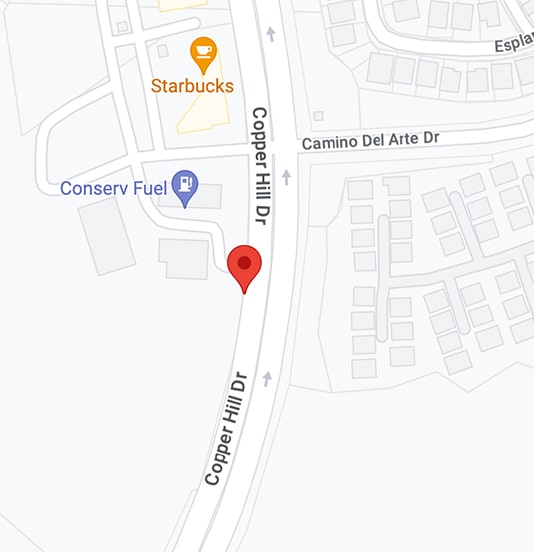
Make a habit of proper oral care now. Schedule regular preventive dental visits to help maintain your oral health and detect problems early. Contact Valencia Advanced Dentistry at Copperhill Smiles at 661-775-7717 for further assistance in Santa Clarita.